The Future of AI: How Algorithms and Data Structures Are Shaping Tomorrow
May 8, 2026
Artificial Intelligence isn’t just about robots and sci-fi fantasies; it's grounded in fascinating science that most of us interact with daily, often without realizing it. At the heart of AI are algorithms and data structures—two critical components driving this technological marvel. But what happens when we start looking ahead? What could the future hold as we refine these elements to new levels of sophistication?
Imagine algorithms as the secret sauce of AI, the recipes that tell computers what to do and how to think. They are the step-by-step instructions that enable machines to process information, recognize patterns, and make decisions. Data structures, on the other hand, are like the kitchen pantry—organizing and storing the ingredients (data) needed for these recipes to work. Together, they form the backbone of AI systems, influencing how effectively they can learn and adapt.
Now, let's delve into where this dynamic duo might take us in the future. One of the most intriguing predictions is the rise of more autonomous AI systems. These are systems that learn with minimal human intervention, becoming increasingly self-sufficient. Think about self-driving cars that not only navigate roads but also learn from every journey, improving over time without needing constant updates from developers. This leap is largely thanks to more advanced algorithms that can process vast amounts of data faster and more accurately than ever before.
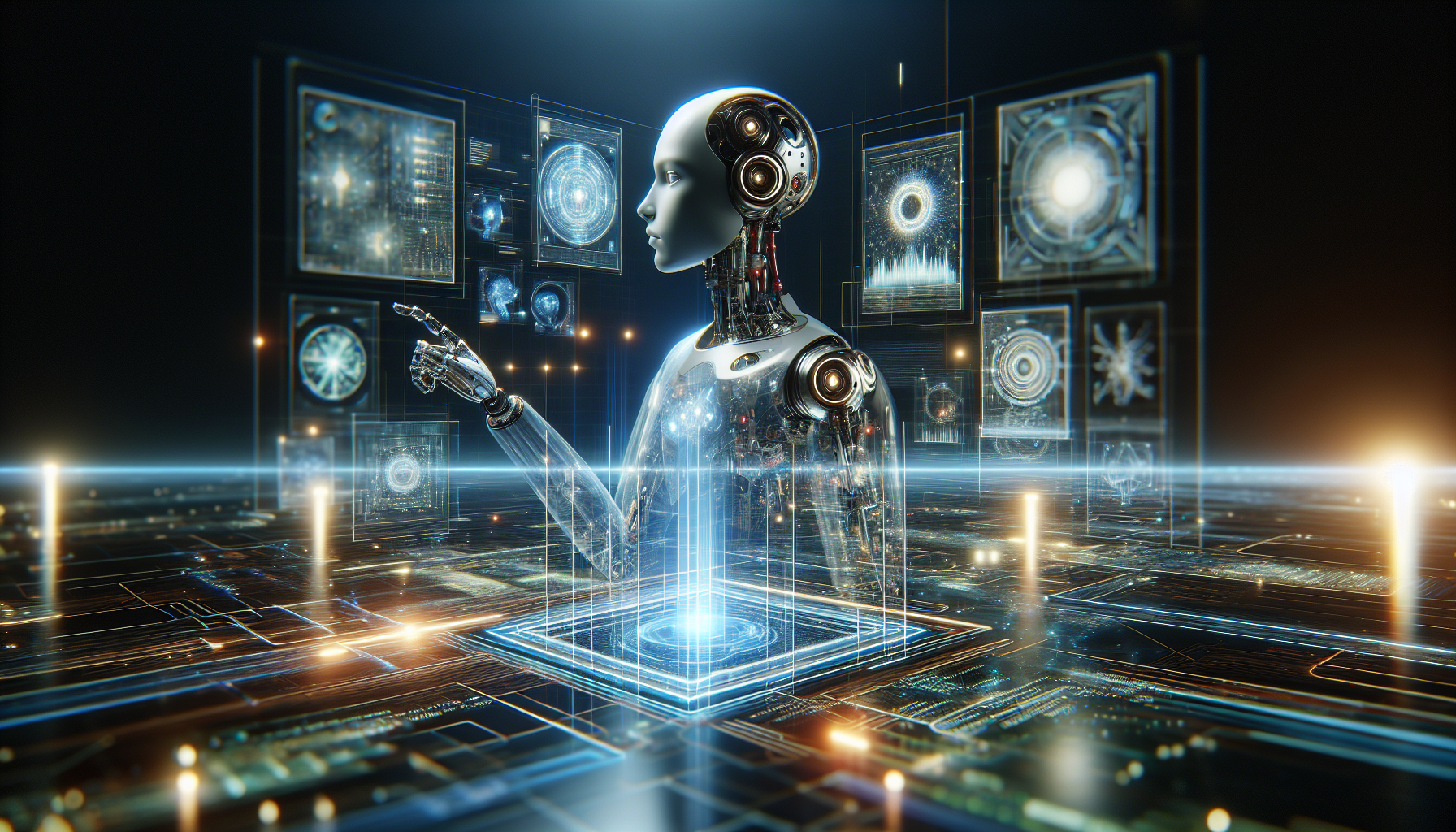
As we push the boundaries of what algorithms can do, the concept of explainable AI is gaining traction. In the future, we might see systems that not only make decisions but also transparently communicate the reasoning behind those decisions. This could be a game-changer in fields like healthcare, where understanding the "why" behind a diagnosis can be as crucial as the diagnosis itself. To achieve this, new data structures will need to be developed to efficiently manage and retrieve information that supports decision-making processes in a way humans can easily comprehend.
Another captivating prospect is the evolution of data structures themselves. As AI systems handle more diverse and complex information, traditional structures may become inefficient. We could see the emergence of adaptive data structures, which can change their configuration based on the nature of the data they encounter. This flexibility would allow AI systems to process information in a more context-sensitive manner, paving the way for more nuanced and sophisticated applications.
Furthermore, the integration of quantum computing with AI is on the horizon, promising to revolutionize the way algorithms and data structures work. Quantum computers operate on principles vastly different from classical computers, offering the potential to process complex datasets exponentially faster. This could lead to breakthroughs in AI research that we can scarcely imagine today, such as real-time language translation that captures not just words but cultural nuances, or predictive models in meteorology that provide accurate weather forecasts months in advance.
Looking specifically at the realm of personal assistants, the future could hold AI that understands and anticipates our needs with unprecedented accuracy. These systems might integrate deeply with our daily lives, learning from our habits and preferences to provide personalized recommendations, reminders, and insights. The algorithms driving these assistants will likely become more adept at handling natural language, making interactions with machines feel as seamless as chatting with a friend.
While these advancements paint an exciting picture, they also raise important questions about ethics and privacy. As AI systems become more sophisticated, who will oversee their development and ensure they operate within ethical boundaries? How will personal data be protected in a world where AI understands us better than ever before? These are critical considerations that will need addressing as we move forward, and they could shape the regulatory landscape in profound ways.
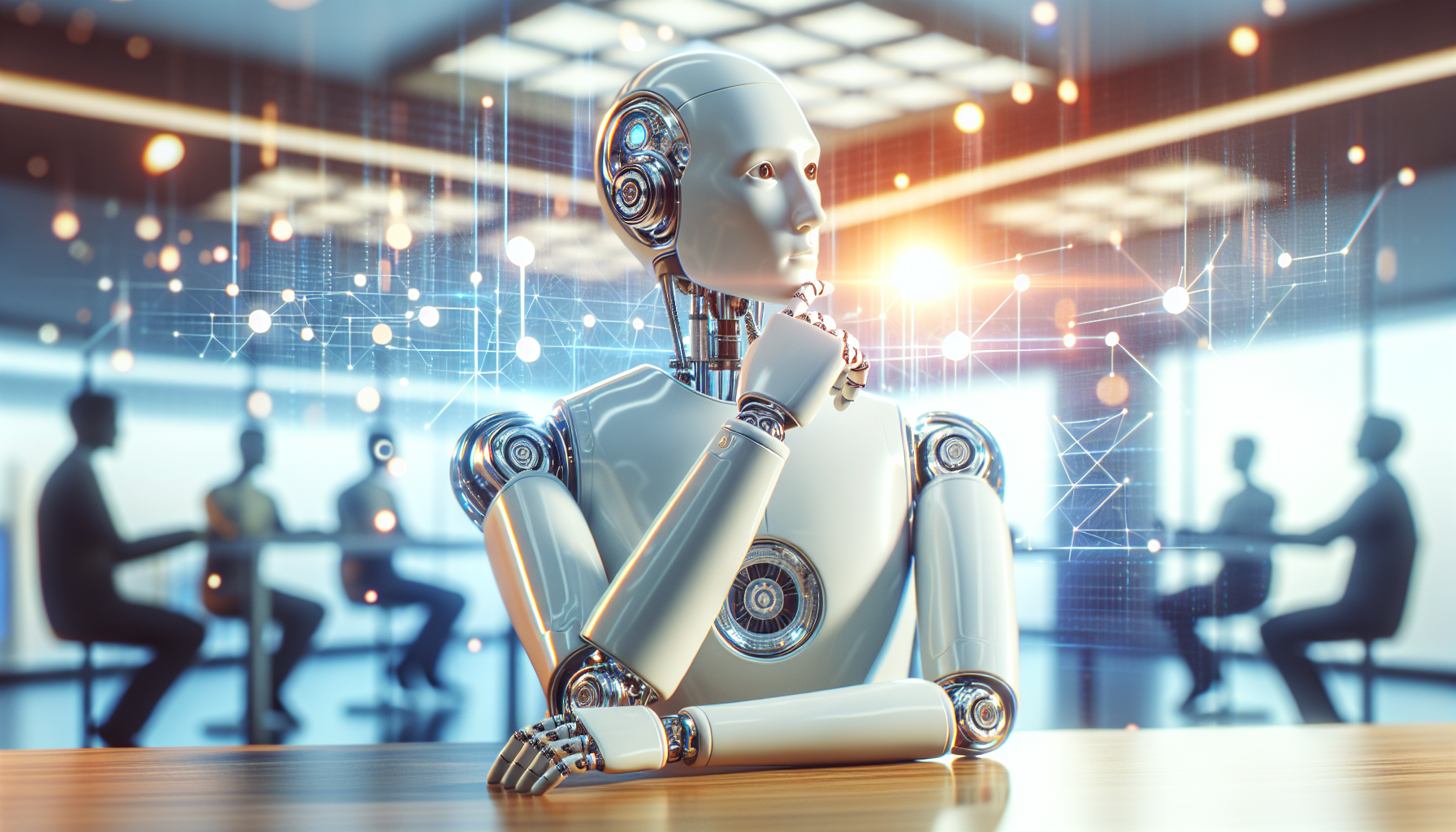
As we ponder these future possibilities, one thing is clear: the science behind AI is not just a technical endeavor but a creative one. It challenges us to think beyond the limits of current technology and imagine a world where machines become our partners in solving complex problems. The journey of algorithms and data structures is a testament to the power of human ingenuity and the endless potential of artificial intelligence.
In contemplating the future of AI, we are reminded of the interconnectedness of innovation and responsibility. As technology races ahead, how will we ensure it serves humanity’s best interests? This question invites us all to engage in shaping a future where AI not only transforms our world but enhances the human experience in ways we have yet to fully comprehend.