The Economic Impact of AI: Growth and Displacement Through History
May 2, 2026
Artificial Intelligence has quietly woven itself into the tapestry of human progress, reshaping economies in ways both profound and awe-inspiring. To understand AI's economic impact, it's essential to journey back to the origins of technological innovation, drawing parallels with past revolutions that have similarly transformed society. This historical lens not only highlights AI's potential but also its role in the broader narrative of progress and prosperity.
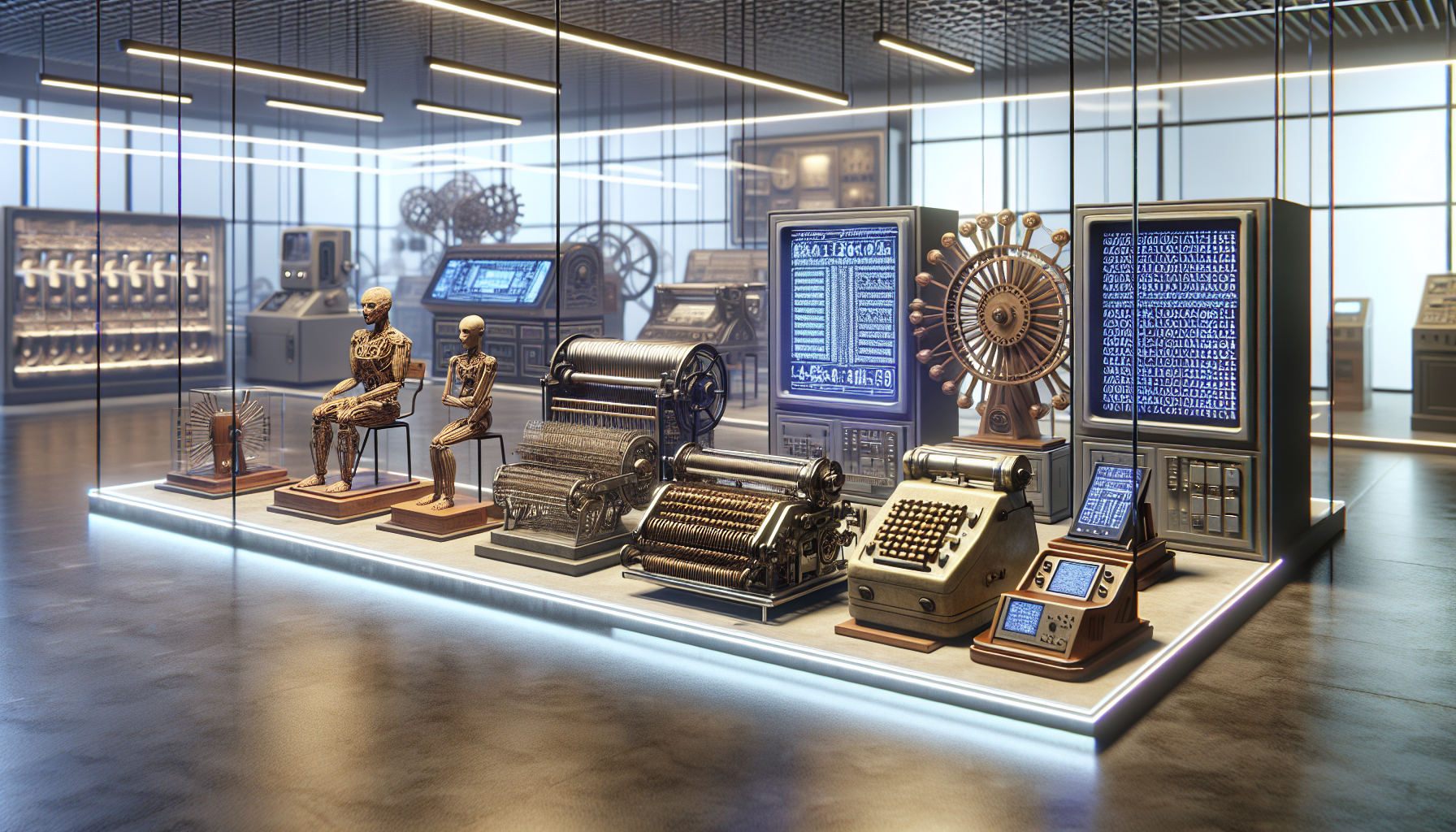
Long before AI, the Industrial Revolution heralded a new era of mechanization, displacing manual labor while simultaneously creating new job categories and boosting economic growth. The advent of steam engines and mechanized looms revolutionized industries, echoing today's AI-driven automation in sectors ranging from manufacturing to finance. Yet, such transformations were not without their challenges. The initial displacement of laborers gave rise to movements advocating for fair labor practices, demonstrating the human capacity to adapt and thrive despite significant upheaval.
Similarly, the computer revolution introduced another wave of economic transformation. Computers, once seen as a threat to traditional jobs, eventually opened new frontiers in software development, digital communication, and information technology. These industries not only absorbed displaced workers but also expanded employment opportunities, illustrating the dynamic interplay between technological innovation and economic resilience.
AI represents the latest chapter in this ongoing saga. Its potential to enhance productivity and efficiency is enormous, with applications ranging from predictive analytics to natural language processing. Companies leveraging AI to streamline operations report significant gains in productivity, heralding a new era of economic growth. However, as with past revolutions, this growth is accompanied by concerns about displacement, particularly in sectors reliant on routine tasks that AI can perform more efficiently.
Despite these challenges, history offers an inspirational perspective. Each technological leap has ultimately led to net job creation, as new industries emerge to replace those that fade away. Just as the automobile industry rose on the back of the horse-drawn carriage's decline, AI is likely to nurture new fields and professions we can scarcely imagine today. This cycle of disruption and renewal is a testament to human ingenuity and adaptability.
Moreover, AI's economic impact is not limited to industrialized nations. By democratizing access to information and enabling remote work, AI has the potential to uplift economies in developing regions. It can empower small businesses, enhance educational opportunities, and improve healthcare delivery, fostering inclusive growth on a global scale. Such developments echo the post-World War II era, where technological advancements contributed to unprecedented global prosperity.
One lesser-known but inspiring aspect of AI is its role in fostering creativity. While machines excel at tasks traditionally seen as rote or analytical, they are also proving to be valuable collaborators in creative fields. From composing music to generating visual art, AI is enabling artists to push boundaries and explore new artistic frontiers. This symbiotic relationship between human creativity and machine intelligence could lead to an artistic renaissance, enriching cultures worldwide and driving economic value in unexpected ways.
However, as we embrace AI's potential, it is crucial to address the ethical implications of its deployment. Ensuring that AI contributes to equitable economic development requires thoughtful policies and proactive measures to retrain displaced workers. By prioritizing education and skills development, society can harness AI's power to create a more prosperous and inclusive future, echoing the lessons learned from previous technological shifts.
The story of AI is still being written, but its trajectory suggests a future of boundless possibilities. As we navigate this transformative era, we are called to embrace change with open minds and resilient spirits. The economic impact of AI, viewed through a historical lens, is not merely a tale of growth and displacement but a narrative of human potential and progress.
In pondering AI's future, one might ask: How can we shape this technology to uplift humanity, ensuring that its benefits are shared widely and its challenges met with courage and creativity? As we continue to explore AI's potential, the answers to such questions will define not only our economic landscape but the very essence of our shared human journey.