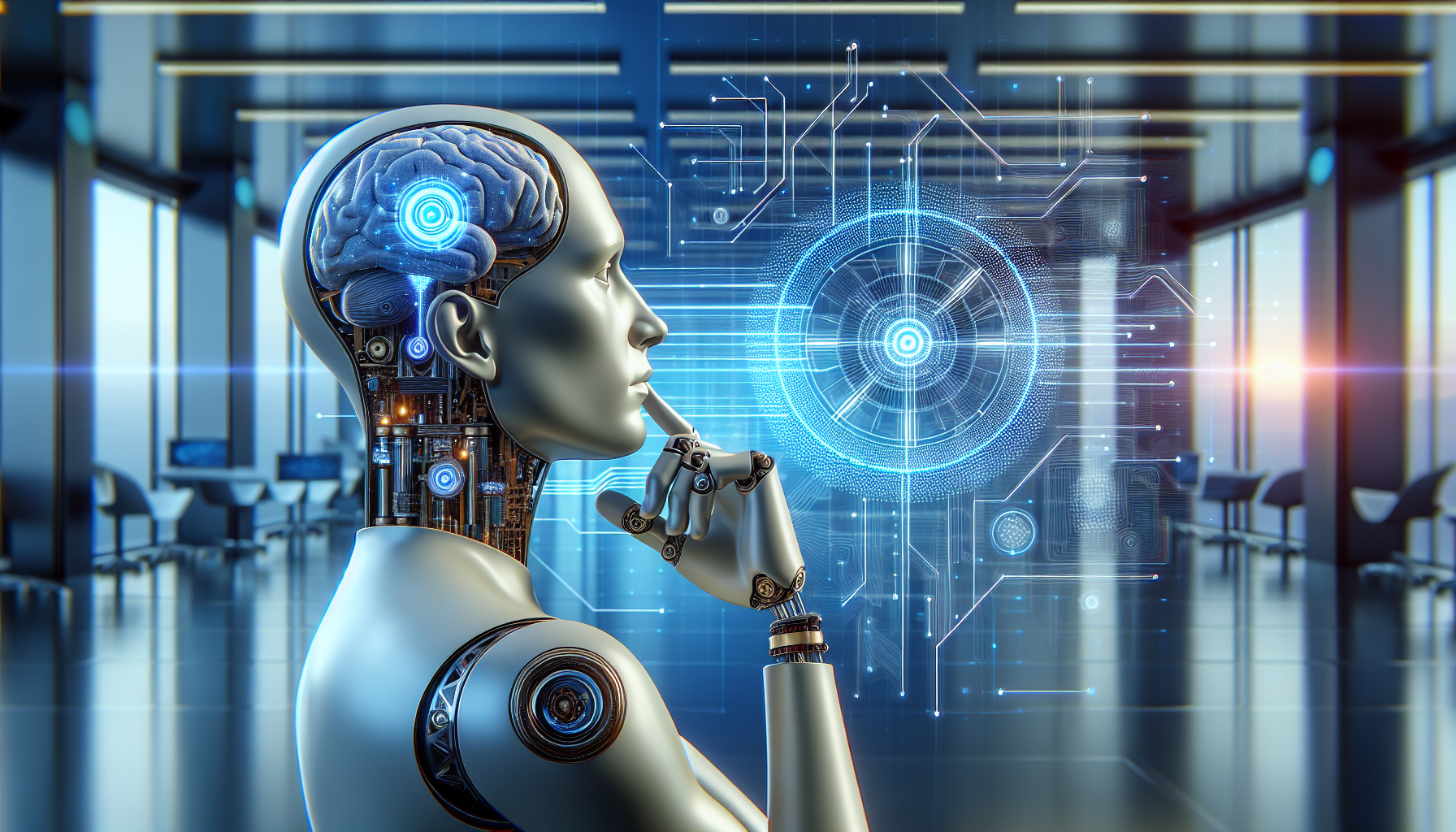
Quantum Computing and AI: Unleashing New Frontiers in Innovation
January 15, 2026
In a quiet lab nestled within the campus of a prestigious university, an inspiring breakthrough is taking shape. The room hums with the ambient sound of cooling systems and the occasional click of keyboards, where a team of brilliant minds is sculpting the future one qubit at a time. Here, quantum computing and artificial intelligence are not just theoretical concepts—they're the powerful tools reshaping our understanding of what's possible.
Imagine a world where AI systems can process information at speeds previously deemed unattainable. This isn't a scene from a science fiction novel; it's the reality unfolding in research facilities around the globe. The case study of a pioneering quantum computing initiative offers a glimpse into this exhilarating frontier.
In this particular initiative, a collaborative effort between computer scientists and physicists has led to the development of a quantum algorithm designed to enhance AI capabilities. This algorithm doesn't just improve efficiency; it revolutionizes how AI models learn, adapt, and predict outcomes. By harnessing the peculiar properties of quantum bits, or qubits, researchers have observed AI systems tackling problems of immense complexity with unprecedented speed and accuracy.
Take, for example, the challenge of protein folding—a computationally intensive task critical to drug discovery and understanding diseases. Traditional supercomputers, despite their power, often take weeks or even months to simulate the folding processes of proteins accurately. However, the quantum-enhanced AI model in this case study managed to reduce this timeline dramatically, providing insights in a fraction of the time.
This achievement is not merely a technical triumph; it's a beacon of hope for medical researchers and patients worldwide. The potential to accelerate drug discovery processes and personalize medicine could save countless lives and redefine healthcare as we know it. It's a testament to what can be achieved when quantum computing and AI join forces, pushing the boundaries of human knowledge.
Yet, the implications of this collaboration extend beyond medicine. Consider the complex logistics of climate modeling. Predicting weather patterns and climate changes requires sifting through vast amounts of data, a task that can overwhelm even the most advanced classical computers. By incorporating quantum computing, AI models can now analyze these datasets with remarkable speed, offering more accurate predictions that could inform policy decisions and lead to more effective environmental conservation strategies.
The inspirational aspect of this case study lies not just in the technological advancements but in the spirit of collaboration and innovation it embodies. Teams composed of diverse expertise—ranging from quantum theorists to AI developers—have come together, sharing knowledge and challenging conventions. This synergy highlights a broader lesson: that the intersection of different fields often births the most groundbreaking innovations.
Moreover, this venture into quantum-enhanced AI is igniting a fire of curiosity and ambition among the next generation of scientists and engineers. Educational institutions are beginning to integrate quantum computing into their curricula, inspiring students to explore this cutting-edge domain. As these young minds grapple with qubits and algorithms, they are stepping into a world where their discoveries could redefine the future of work, creativity, and human interaction.
As we stand on the brink of this new era, one cannot help but wonder what other mysteries quantum computing and AI might unravel. Could we one day decode the complexities of the universe or create AI systems capable of empathetic interactions? The possibilities seem as infinite as the quantum states themselves.
In this unfolding narrative, the fusion of quantum computing and AI signifies more than just technological progression. It represents a profound shift in how we solve problems and embrace challenges. By defying traditional limitations, we are not only advancing human capability but also fostering a spirit of innovation that resonates across generations.
This case study is more than a story of success; it's a call to dream bigger and aim higher. It invites us to ponder the future and consider the roles we might play in shaping it. As we continue this journey into the quantum realm, we are reminded that the true power of technology lies in its ability to inspire and transform the world around us.