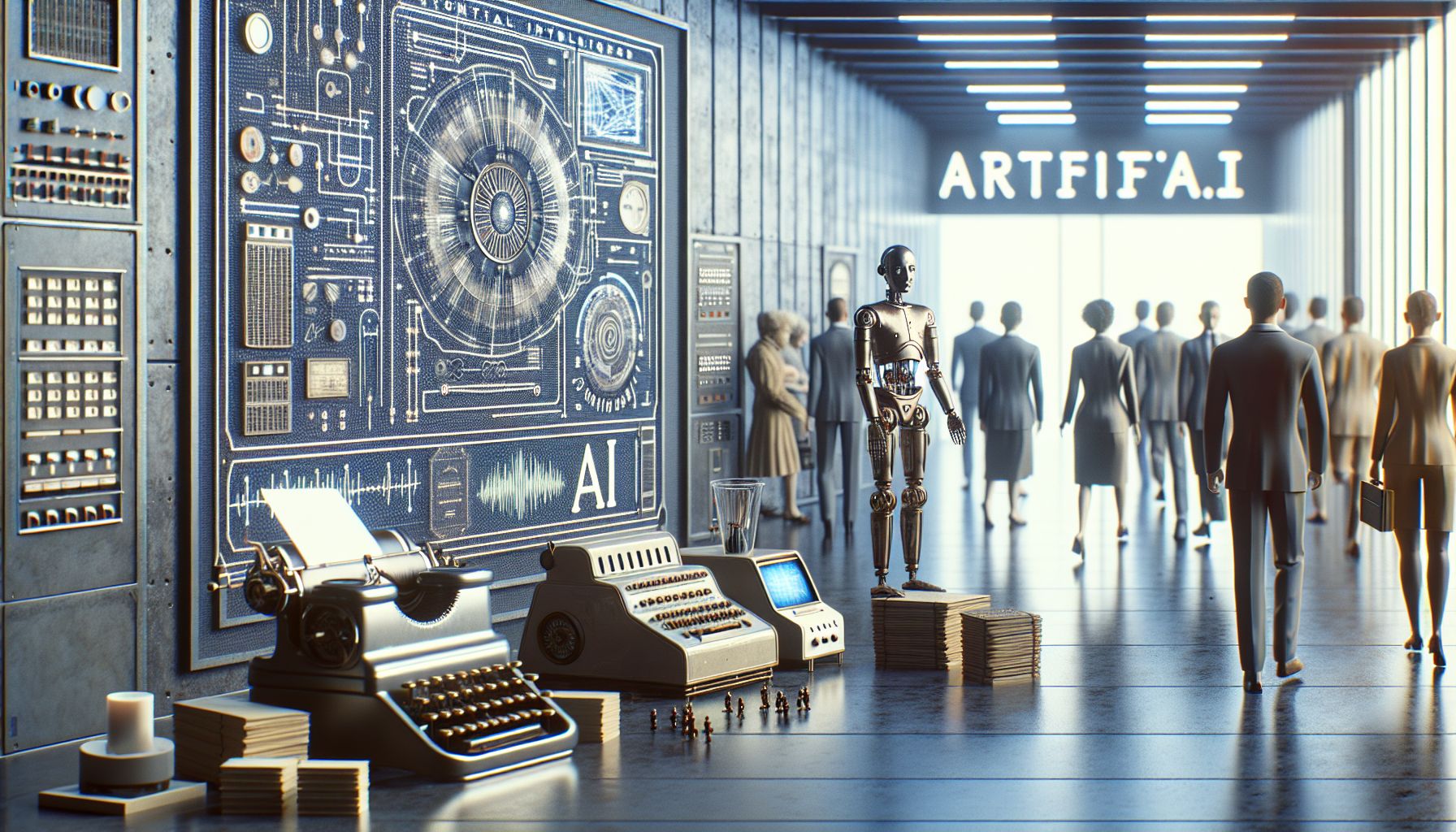
Conversational AI: Unpacking the Historical Roots and Complexities Behind Chatbots and Virtual Assistants
January 13, 2026
Conversational AI, the technology driving chatbots and virtual assistants, is often lauded as a modern marvel. However, the roots of this technology delve into a past filled with both promise and complexity. This isn't just a tale of technological advancement but a reflection of human ambition and the occasional misstep.
From its inception, the quest for machines that could engage in human-like dialogue has been as much about philosophical inquiry as it has about engineering prowess. The notion of creating a machine capable of conversation dates back to the early musings of computer science pioneers. Yet, the journey from rudimentary systems to the sophisticated conversational agents we interact with today reveals a path fraught with challenges and ethical quandaries.
The initial attempts at conversational AI were grounded in rule-based systems. These were not the intelligent interlocutors we see today but rather mechanical parrots, echoing pre-programmed responses to specific inputs. This approach, while groundbreaking at the time, laid bare the limitations of early AI. It became evident that true conversational ability required more than a predetermined script; it necessitated an understanding of context, nuance, and even emotion.
As the technology progressed, the emergence of machine learning and natural language processing (NLP) promised to overcome these limitations. However, these advancements also introduced new complexities. The shift from deterministic rules to probabilistic models meant that conversational AI could now generate responses that were not explicitly programmed. This leap, while significant, raised concerns about reliability and accountability—who is responsible when a machine-generated conversation goes awry?
Furthermore, the reliance on vast data sets to train these models has sparked debates over privacy and bias. In an era where data is considered the new oil, the ethical implications of mining personal conversations for AI training cannot be overstated. The potential for bias in AI systems, stemming from the data they are fed, poses serious questions about fairness and discrimination. These issues, often sidelined in the race for technological superiority, demand urgent attention.
The historical narrative of conversational AI is also marked by a recurring pattern of inflated expectations followed by disillusionment. This cycle, known as the AI winter, reflects the gap between the aspirational goals of AI research and the reality of its capabilities. Each wave of enthusiasm has been tempered by the stark realization that replicating human conversation is not merely a technical challenge but also a profoundly human one.
Despite these setbacks, the allure of conversational AI remains undiminished. The modern landscape, populated by virtual assistants and chatbots, is a testament to the technology's pervasive influence. These systems, embedded in our smartphones and customer service interfaces, are often touted as productivity enhancers and time-savers. Yet, beneath the surface lies a complex interplay of technological advancement and societal impact.
The critical examination of conversational AI's history reveals a narrative shaped by ambition and oversight. It is a story that prompts us to question the trajectory of this technology. Are we prioritizing the right aspects in its development? Should we focus more on creating systems that are not just efficient but also ethical and equitable?
As we continue to integrate conversational AI into our daily lives, the lessons from its past should not be ignored. The path forward should not merely be about creating more sophisticated algorithms but also about fostering a dialogue on the values we wish to embed in these systems. The future of conversational AI is not just about machines learning to talk like us; it is about ensuring that they speak to our collective conscience.
In pondering the historical journey of conversational AI, we are left with a critical question: How do we harness this powerful technology to reflect the best of humanity, rather than its flaws? This inquiry demands ongoing reflection and a commitment to ethical innovation in the face of technological possibility.