AI in the Classroom: Personalized Learning or Just Robots Doing Homework?
January 28, 2026
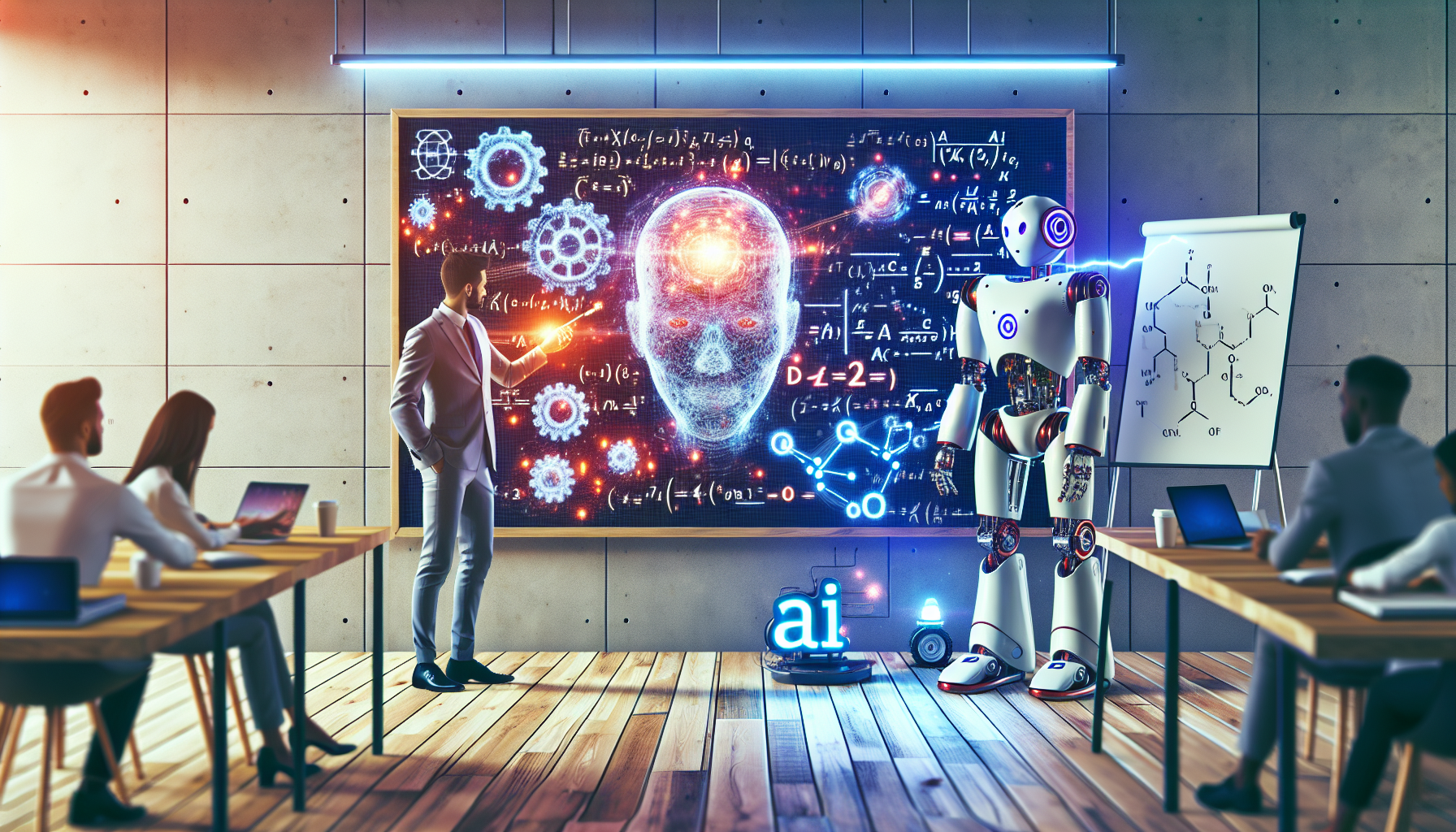
If you've ever wondered what it would be like to have a robot for a teacher, you're in luck. Artificial Intelligence has officially infiltrated the classroom, and it’s not just doing it to avoid detention. AI is revolutionizing education faster than you can say "E=mc²," and it's doing it with a personalized twist that makes old-school teaching look like a game of "Guess Who?" with no pictures.
Imagine walking into class and having a computer know more about your study habits than your mom knows about your favorite cereal. That’s the kind of personalized learning experience AI offers. It’s like having a private tutor who doesn’t mind if you ask the same question a hundred times, as long as you’re not a computer that’s starting to malfunction.
But before we dive headfirst into a digital Learner's Paradise, let’s take a moment to understand this trend. AI in education is not just about making sure students don’t fall asleep during lectures. No, it's about crafting a curriculum so customized that even Goldilocks would say, "This one’s just right!"
The secret sauce here is data. AI systems gobble up information like a student at an all-you-can-eat pizza party. They analyze everything from test scores to the number of times you blink during a math problem. In doing so, they create a learning profile that makes your old report card look like a cave painting. This isn’t just Big Brother watching you; it’s Big Brother making sure you know your algebra from your elbow.
Let’s be clear, though: AI isn’t just about creating hyper-customized learning plans. It's also about making learning fun. Yes, you heard that right—fun! Imagine doing history homework with virtual reality goggles that virtually transport you to Ancient Rome. It’s like a field trip, minus the permission slip and the awkward lunchroom sandwiches.
And for those worried about AI replacing human teachers, fear not. Teachers aren’t going anywhere. They’re just becoming more like educational superheroes, armed with data-driven insights that make Sherlock Holmes look like an amateur. Teachers can now focus on the one thing AI can't do—adding that magical human touch. Whether it's a reassuring smile or a sarcastic comment that reminds you why you love school, teachers remain irreplaceable.
On the flip side, there are skeptics who fear that AI might turn classrooms into sterile environments, reminiscent of a scene from a sci-fi movie where students are little more than data points. They argue that too much personalization could lead to isolation, with students missing out on the social aspects of learning. After all, who needs friends when you have an algorithm?
However, many educators argue that the balance between technology and human interaction can be struck. AI can handle the heavy lifting of personalized learning, freeing up teachers to facilitate group activities and discussions that foster social skills. It’s a bit like having a sous-chef who preps all the ingredients, so you can focus on being the master chef of classroom camaraderie.
As we continue to explore the brave new world of AI in education, one thing is for sure: the potential for personalized learning is as vast as the internet itself. Whether it leads us to a utopia of tailored educational experiences or a dystopian world where robots rule the classroom is still up for debate. But for now, we can enjoy the ride and maybe even learn a thing or two along the way.
So next time you see a student chatting with a tablet, don’t be too quick to judge. They might just be having a profound conversation with their AI about the intricacies of the Pythagorean theorem. And who knows? One day, we might all look back and laugh at the idea that we ever doubted the power of a robot to make learning personal, engaging, and maybe even a little bit fun.
As we ponder the future of AI in education, perhaps the real question is whether technology can help us learn more about ourselves than we ever thought possible. Now, wouldn’t that be a lesson worth attending?