AI and Human-Computer Interaction: Bridging the Gap Through a New Lens
April 29, 2026
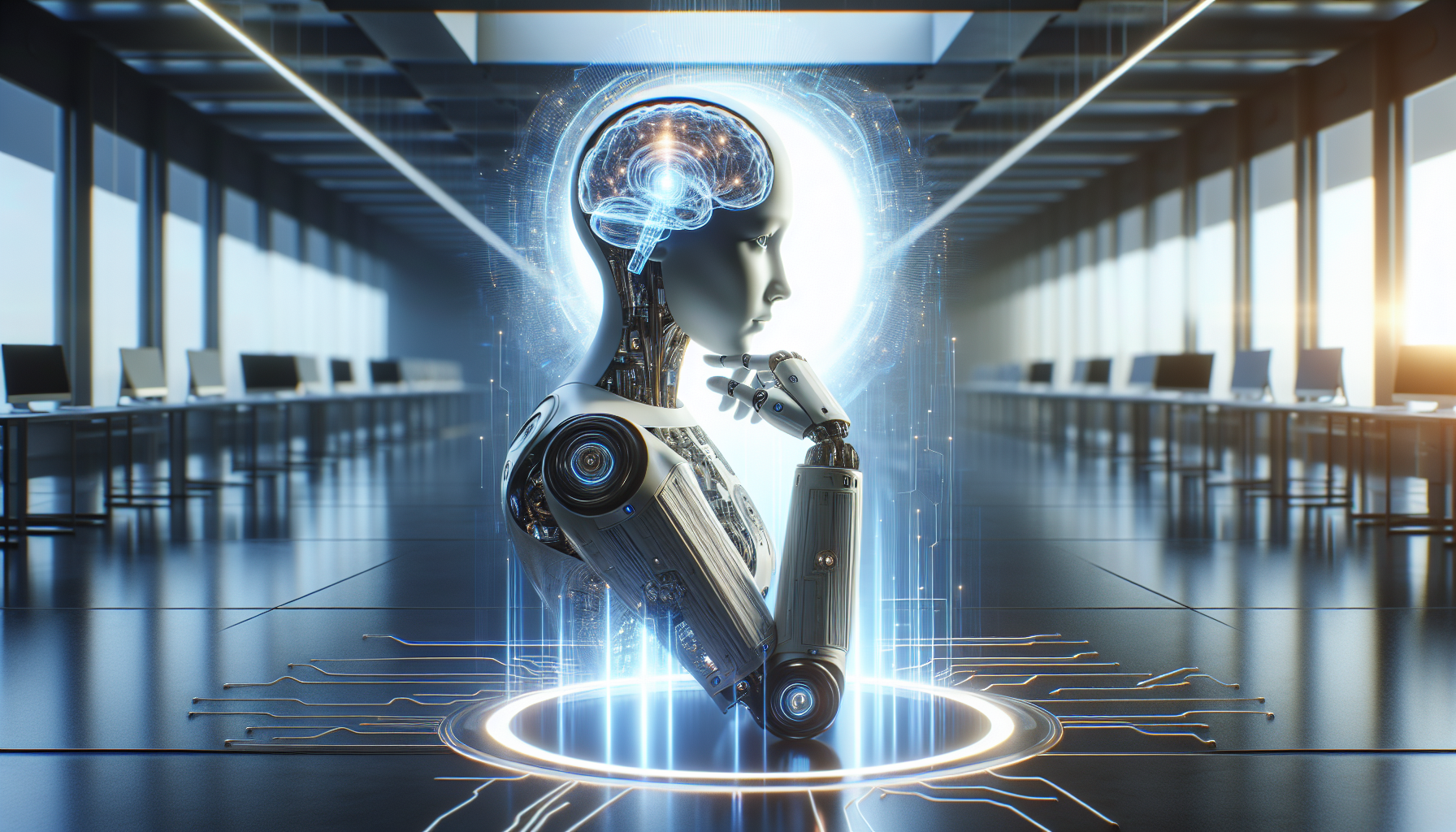
Imagine working with a computer that anticipates your needs, understands your emotions, and reacts accordingly. This isn't a scene from a sci-fi movie; it's the reality researchers are striving to create by bridging the gap between artificial intelligence (AI) and human-computer interaction (HCI). Let's dive into a case study that highlights this fascinating journey and see how AI is reshaping the way we interact with technology.
Meet Dr. Emily Chen, a cognitive scientist with an insatiable curiosity about how humans and machines can connect on a deeper level. Her team at a leading tech lab has been working on a project called "EmpathyAI," which aims to enhance computer systems with the ability to perceive and respond to human emotions. The goal is simple yet ambitious: to create computers that don't just compute but also empathize.
The project started with an intriguing question: what if computers could detect subtle cues from users, such as tone of voice or facial expressions, and adjust their responses accordingly? To explore this, Dr. Chen and her team conducted a series of experiments involving AI-driven interfaces that could gauge emotional states. They equipped computers with advanced sensors and algorithms designed to interpret human emotions accurately.
One of their most compelling trials involved a virtual assistant embedded with these capabilities. Participants were asked to engage with this assistant in various scenarios, from troubleshooting technical issues to booking a vacation. The assistant's responses were tailored based on the emotional cues it picked up, creating a more personalized and engaging experience for users.
For instance, if a user appeared frustrated, the assistant would adopt a calming tone and offer more detailed guidance, whereas a cheerful user might be met with a lighter, more conversational response. The results were telling: users reported feeling more satisfied and understood, indicating that these empathetic interactions could significantly enhance user experience.
But this project goes beyond just improving user satisfaction. By fostering a more natural interaction, AI systems like EmpathyAI can also improve accessibility for individuals who may find traditional interfaces challenging. Imagine how this technology could assist individuals with disabilities, offering a more intuitive way to interact with devices that adapt to their unique needs and preferences.
Dr. Chen's team didn't stop at emotional recognition. They also explored how AI could learn from user interactions over time, adapting to individual preferences and evolving alongside the user. This adaptive learning approach means that the more you interact with the system, the more it understands your habits, making future interactions even smoother.
However, the journey isn't without its hurdles. Data privacy and ethical considerations loom large, as these systems inherently require access to personal data to function effectively. Dr. Chen emphasizes the importance of developing transparent systems where users have control over their data, ensuring trust remains a cornerstone of these evolving technologies.
As AI continues to integrate into our lives, projects like EmpathyAI raise broader questions about the future of human-computer interaction. Will these empathetic systems redefine our relationship with technology, making it more symbiotic and less transactional? Can we strike a balance between innovation and privacy, ensuring that these advancements serve humanity's best interests?
The work of Dr. Chen and her team illustrates a pivotal moment in the evolution of AI and HCI. By leveraging AI's potential to create more empathetic and adaptive systems, we're not just enhancing user experience—we're fundamentally changing how we relate to machines. It invites us to ponder: as technology becomes more attuned to our human needs, how will our expectations of machines evolve?
This fusion of AI and HCI holds immense promise, yet it's clear that we're only scratching the surface. As researchers like Dr. Chen continue to push the boundaries, we might find ourselves on the brink of a new era where computers not only understand us but also resonate with our very human experiences. What will this mean for the future of our digital interactions? Only time—and continued exploration—will tell.