AI and Emotional Intelligence: A Historical Journey Toward Understanding Human Emotions
January 5, 2026
Artificial intelligence has been hailed as the hallmark of modern innovation, promising to revolutionize everything from healthcare to finance. Yet one of its most profound potentials lies in the realm of emotional intelligence—specifically, in its ability to understand, interpret, and respond to human emotions. This journey into the heart of human experience is not merely a technological challenge but a reflection of humanity's age-old pursuit of self-understanding.
The quest to decode human emotions dates back to ancient philosophers and early psychologists who sought to classify and understand the intricate landscape of human feelings. They laid the groundwork for what would eventually become the field of emotional intelligence—a concept that underscores the ability to perceive, control, and evaluate emotions. However, the role of machines in this deeply human endeavor was, until recently, the stuff of science fiction.
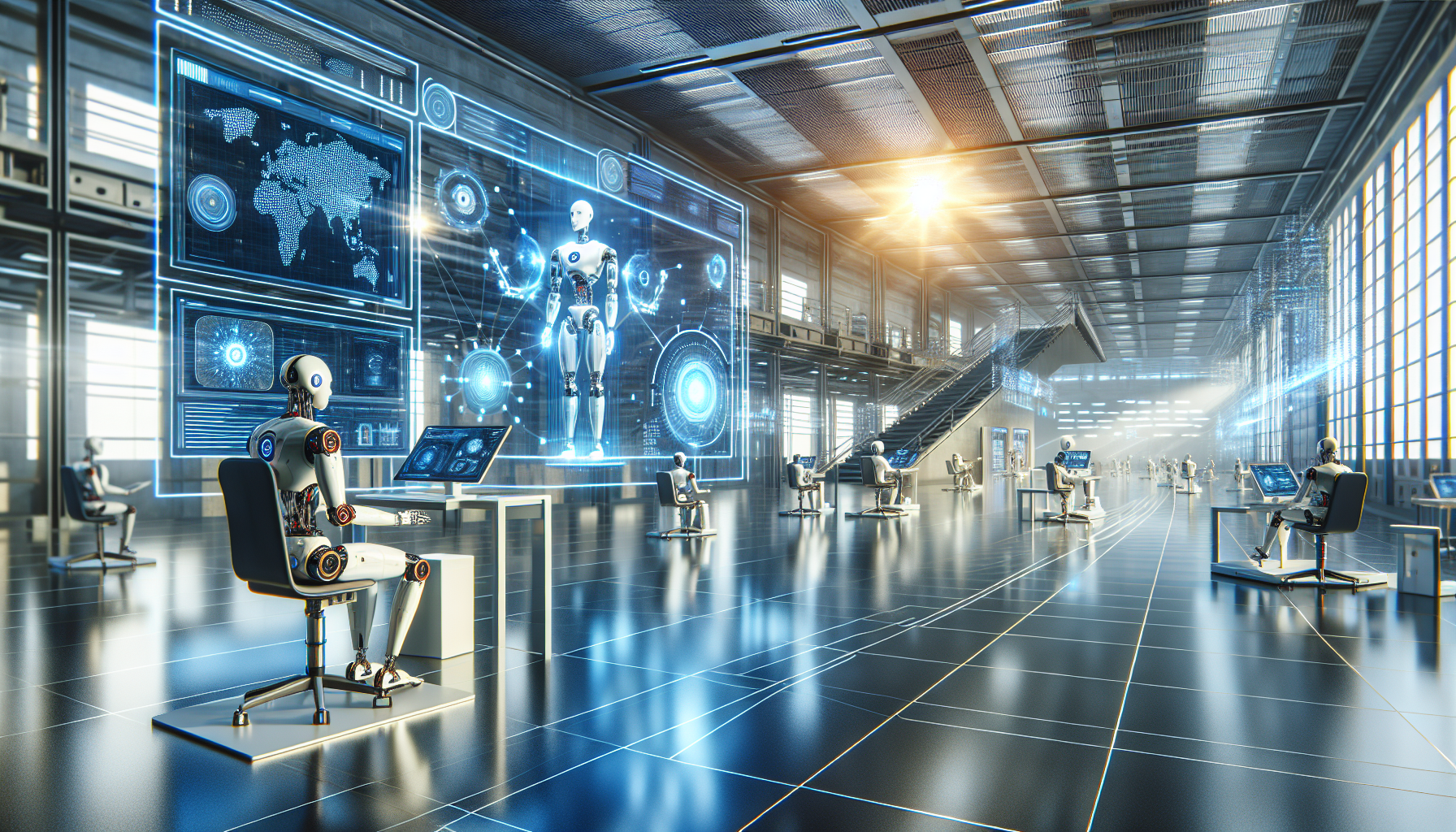
Fast forward to today, and AI systems are increasingly tasked with recognizing and responding to human emotions. This capability is not just a technical feat; it is a continuation of humanity's historical journey toward a deeper understanding of ourselves. By examining the past, we can better appreciate how far we’ve come and where AI might take us next.
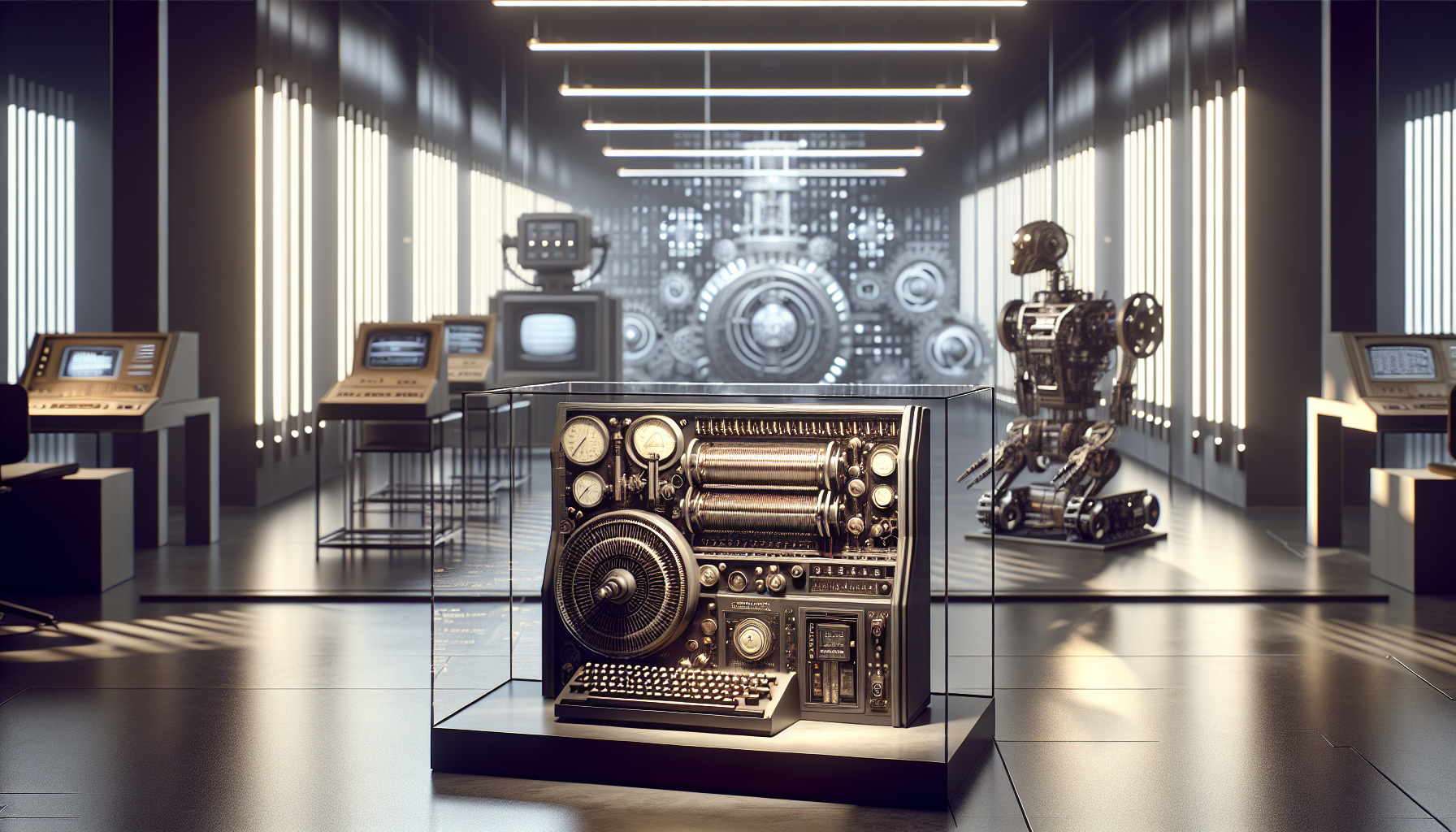
In the early stages of AI development, the focus was primarily on replicating logical reasoning and problem-solving skills. The pioneers of artificial intelligence viewed the mind as a machine to be deciphered, operating under the assumption that cognitive processes could be mapped and mimicked. Emotional intelligence, with its nuances and complexities, was largely sidelined, considered too intricate for computational models.
However, the tides began to shift as researchers recognized the limitations of purely cognitive AI systems. The realization dawned that true intelligence necessitated an understanding of human emotion—a factor that plays a pivotal role in decision-making, social interaction, and personal well-being. This shift mirrored the broader societal movement toward valuing emotional intelligence in leadership and personal success.
The challenge, then, was to equip machines with the ability to discern emotional cues from voice, facial expressions, and even physiological signals. This endeavor has roots in the work of psychologists who meticulously documented human expressions and the emotional states they signify. By digitizing this knowledge, AI systems can now analyze subtle changes in tone and expression, offering a level of empathy and understanding once thought impossible for machines.
Consider the implications of such advancements. In healthcare, AI can provide support to mental health professionals by identifying signs of distress or anxiety in patients, potentially offering early intervention. In customer service, AI-driven bots are being designed to detect frustration or dissatisfaction, enabling more personalized and effective responses. These applications are not just about efficiency; they represent a shift toward more humane, emotionally attuned interactions between humans and machines.
Yet, as we marvel at these technological strides, it is crucial to acknowledge the ethical considerations that accompany them. The ability of AI to understand emotions poses questions about privacy, consent, and the potential for manipulation. It is imperative that as we develop these technologies, we do so with a commitment to ethical standards that protect individual rights and dignity.
Moreover, there is a profound question of authenticity. Can a machine ever truly understand human emotion, or is it merely simulating empathy? This question invites us to examine the very nature of emotion and consciousness. As AI continues to evolve, it challenges us to redefine what it means to be human in a world where machines may one day share our ability to feel and empathize.
In light of these considerations, the historical perspective on AI and emotional intelligence is not merely academic; it is a vital narrative that informs our future. By understanding the past, we gain insights into the trajectory of this technology and its potential to reshape human experience.
As we stand on the brink of new frontiers in AI research, we must ask ourselves: How do we harness the power of emotional intelligence in AI to enhance human life while preserving the essence of our humanity? This question invites ongoing dialogue and innovation, challenging us to imagine a future where technology and emotion coexist harmoniously, enriching our lives in ways we have yet to fully comprehend.